
Implant Dentistry Checklist for Livonia, NY, Patients Before Their First Visit
Preparing for implant dentistry is easier when you know what to bring, what to tell the dentist, and what questions to ask. A short checklist can help you make the most of your first consultation, so you leave with a clear picture of your options and the steps ahead. This guide walks through what to gather before you call, what happens at the visit, and how to decide whether implants fit your needs.
Before You Call: Gather Your Health Information
Start by collecting the details your dental team will need to plan treatment safely. Having them ready makes the first conversation more productive:
- A complete list of medications, including over-the-counter products and supplements.
- Any medical conditions, especially diabetes, heart conditions, or bleeding disorders.
- Records of past extractions, bone or gum treatments, and previous dental work.
- Your current dental insurance information, if you have coverage.
Consider Whether You Are a Candidate
Most adults with missing teeth may qualify for implant dentistry, but a full evaluation is needed. Good candidates typically have healthy gums, good oral hygiene, and enough jawbone density to support an implant. Think honestly about your habits as well. A candid conversation about habits and goals helps the team plan a realistic timeline and a realistic budget from the start. Smokers may be asked to quit during healing, and people who grind their teeth should mention it at the consultation.
Step 1: Schedule Your Consultation
Call the office to book a consultation. Appointments might be arranged by phone, and office hours for some offices are
posted on their website, so choose a time that fits your schedule. Calling early in the week gives you more options for a day that works around work or family commitments.
Step 2: Complete the Comprehensive Exam
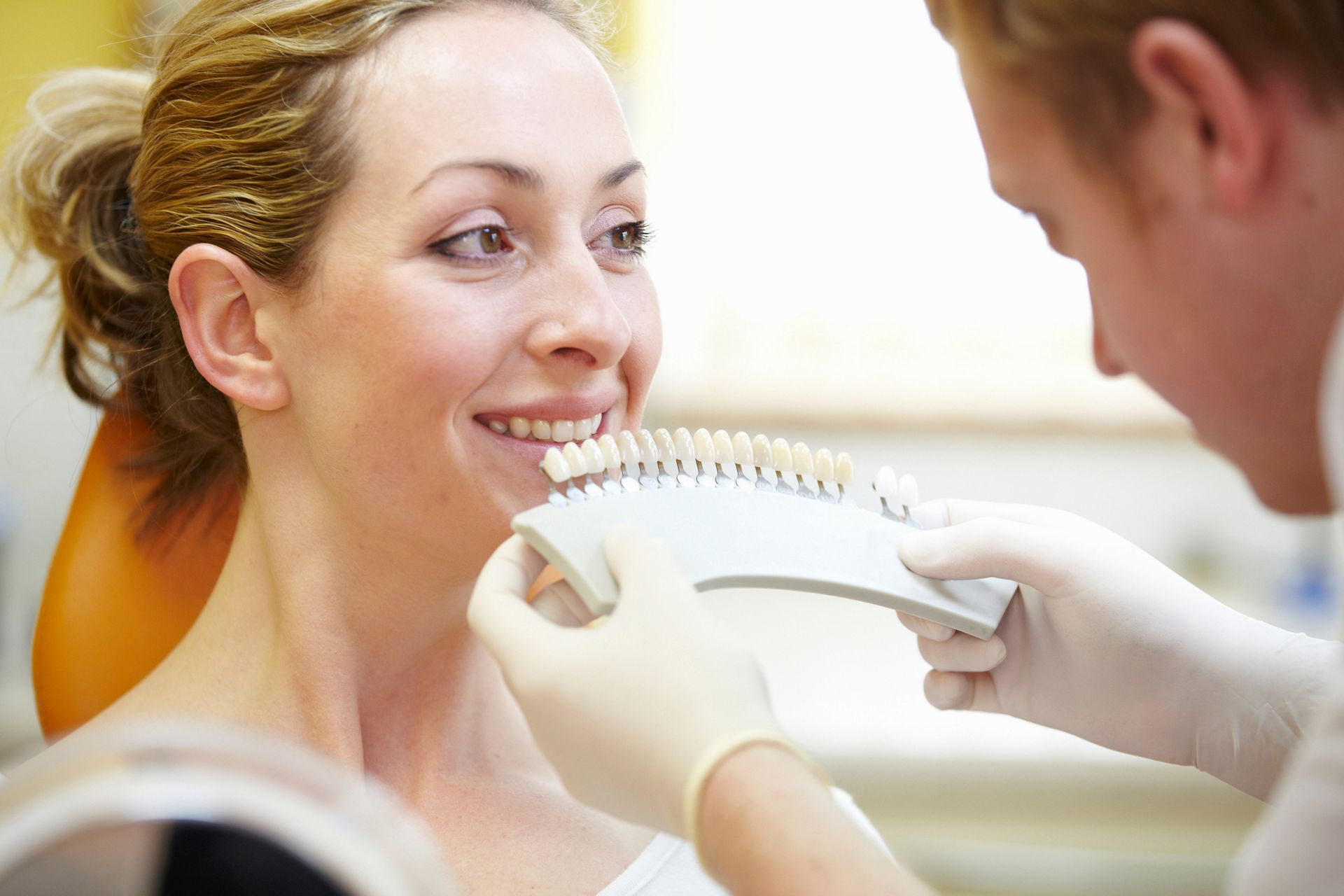
At the first visit, the team completes a full dental exam and imaging. The imaging helps assess the bone structure and overall oral health. This step tells the specialists whether implants are a good fit, whether bone grafting may be needed, and how the plan should be sequenced. Patients often find this visit reassuring, because the findings are explained with images in front of them.
Step 3: Review Your Implant Plan
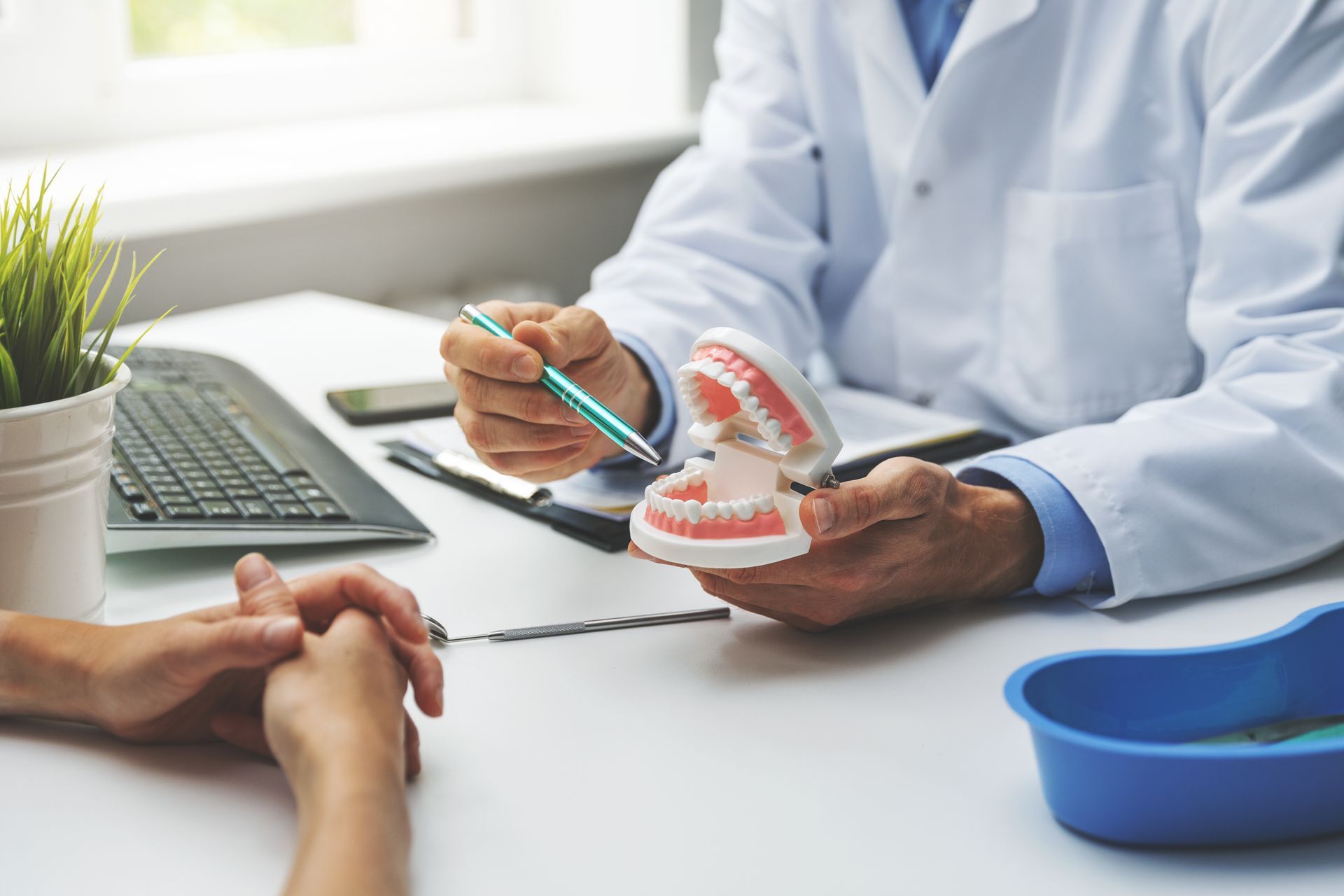
After the exam, the team explains the options in plain language. Implant plans can include a single-tooth implant, an implant-supported bridge for several teeth, or an implant-supported denture for a full arch. Ask how each option affects chewing, speech, and daily cleaning, and ask for the plan in writing before you decide. Bring a list of your priorities, such as comfort, appearance, and how much time you can spend on appointments, so the plan reflects what matters most to you.
Step 4: Understand the Timeline
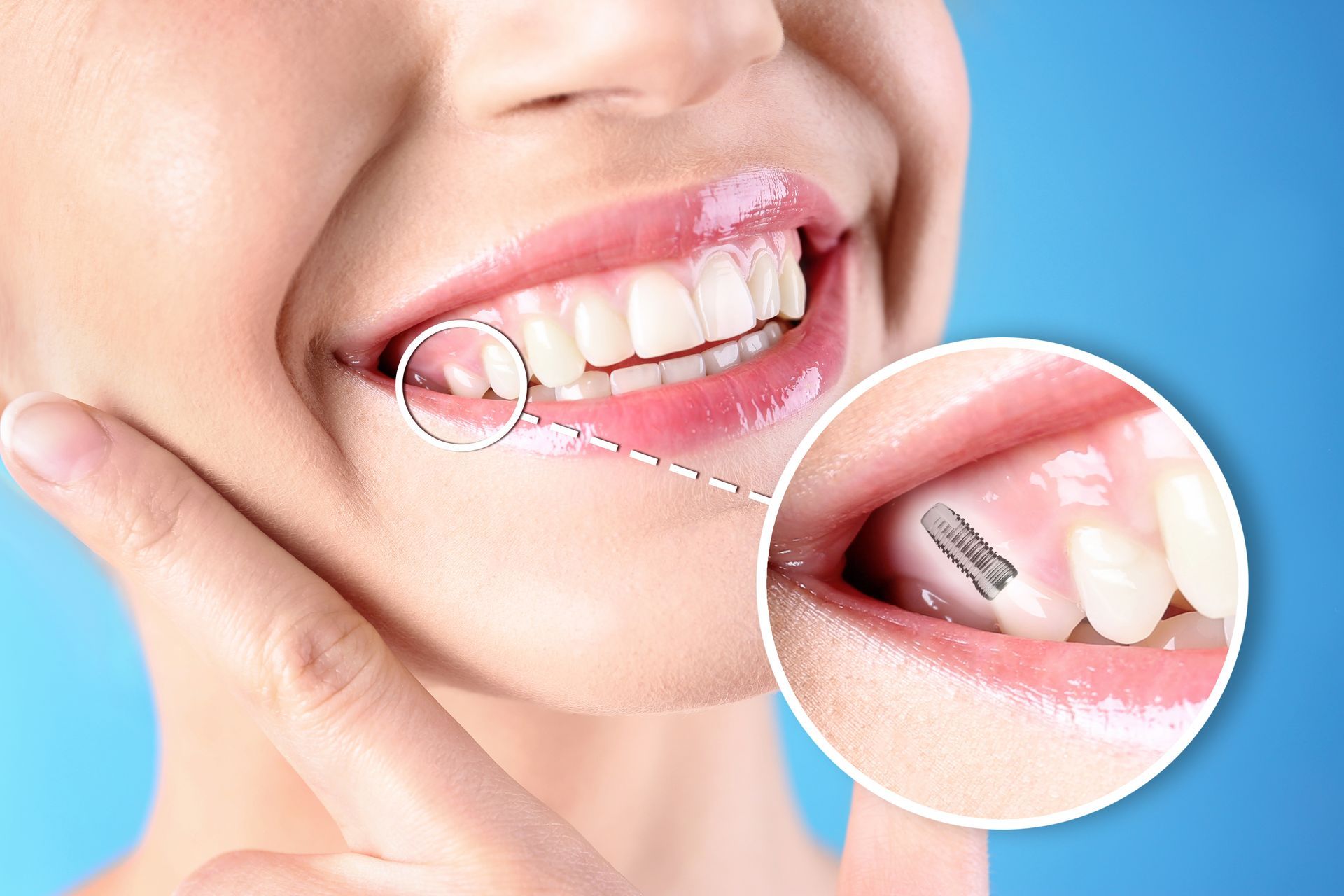
The implant process has several stages: placement of the titanium post, a healing period while the post fuses with the bone, placement of the abutment, and finally the custom crown, bridge, or denture. Healing time varies, so ask how long each stage is expected to take for your situation. Many patients plan around these appointments in advance. Planning ahead for the healing period helps you schedule work, travel, and follow-up visits without surprises.
Questions to Ask Before You Decide
A short list of questions keeps the conversation focused. Consider asking:
- Is my jawbone strong enough for an implant, or is grafting recommended?
- What is the full treatment plan, including follow-up visits?
- How will the costs be shown in writing, and what payment options are available?
- What care will the implant need at home and at future checkups?
- What should I do if I have discomfort during healing?
Plan Your Payment and Insurance Questions
Coverage for implant dentistry varies by plan, so check your benefits before treatment. Ask the office how your plan applies and whether a written estimate is available. Practices can accept major credit cards, CareCredit, cash, and check, so you can discuss the payment option that works best for you.
Caring for Your Implant After Treatment
Good home care helps protect the implant over the years. Brush twice a day, floss or use an interdental tool around the implant, and keep your routine checkups. If you notice swelling, bleeding that does not stop, or a loose crown, call the office promptly rather than waiting for your next visit. Keeping a short note of any changes between visits makes it easier to describe the problem accurately when you call.
Plan Your Implant Consultation!
A prepared first visit helps you decide with confidence. To schedule a consultation for implant dentistry serving Livonia, call us at (585) 346-7230, or visit our main dental implants page to learn more about the services offered. You can also review our Avon implant dentistry page for the process we follow.
Vital Dental Professionals, PC, serves Livonia, NY, patients with implant dentistry and general and cosmetic care. Read reviews on our
Google Profile before you book your visit.